The term Pinay Cartel has attracted attention in online searches, leading people to explore its meaning, background, and connection with Filipino identity. The phrase combines “Pinay,” a commonly used term for a Filipino woman, with “Cartel,” a word generally associated with an organized group or business network. Its meaning can therefore vary depending on the context in which it appears.
Understanding Pinay Cartel requires looking at its terminology, Filipino cultural background, digital presence, and different interpretations. This guide explores these aspects while providing useful context about Filipino traditions, communities, social contributions, and modern online discussions.
What Is Pinay Cartel?
Understanding the Meaning of Pinay Cartel
Pinay Cartel is a phrase formed by combining two distinct words. “Pinay” is an informal term used to describe a Filipino woman, while “Cartel” traditionally refers to an organized association or group, often discussed in business, economics, or criminal contexts.
When used online, Pinay Cartel may appear in different discussions, search queries, and digital references. However, the phrase should not automatically be interpreted as the name of an established organization or a recognized Filipino cultural movement.
Understanding the Online Context of Pinay Cartel
The internet frequently brings together words from different cultural and social backgrounds to create new expressions. Pinay Cartel is one such phrase that can appear in online discussions, websites, and search results.
Its interpretation depends on the source, surrounding information, and purpose of the discussion. Readers should examine reliable sources rather than assuming that every online reference represents a real organization or community.
Historical Background and Filipino Identity
Early Filipino Migration and Community Development
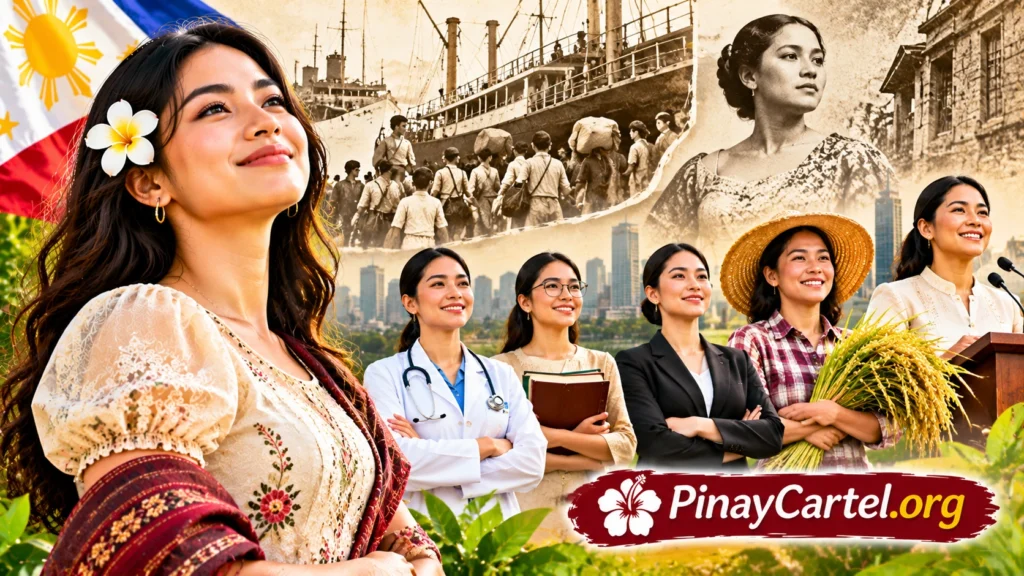
Filipino migration has played an important role in shaping communities across Asia and other parts of the world. People from the Philippines have moved to different countries for education, employment, family connections, and better opportunities.
These migration patterns have helped establish Filipino communities that maintain connections with their cultural roots while adapting to new environments.
Historical Contributions of Filipino Women
Filipino women have contributed to society through education, healthcare, business, agriculture, politics, and cultural development. Their involvement in different professional and community activities has helped shape the country’s social and economic progress.
Understanding these contributions provides valuable cultural background when exploring expressions such as Pinay Cartel in an online context.
Cultural Influence and Filipino Traditions
A Blend of Filipino and International Cultures
Filipino culture reflects a combination of indigenous traditions and influences from Spanish, American, Chinese, and other Asian cultures. This cultural diversity can be seen in everyday lifestyles, celebrations, food, music, and family traditions.
Filipino communities living abroad also contribute to cultural exchange by introducing their customs and traditions to different societies.
Traditional Festivals and Celebrations
Festivals are an important part of Filipino cultural identity. Celebrations such as Sinulog, Ati-Atihan, and Pahiyas showcase traditional dances, colourful costumes, music, and regional customs.
These events bring communities together and help preserve cultural heritage for younger generations.
Language and Communication
The Importance of Language in Filipino Identity
Language plays an important role in preserving cultural identity and maintaining connections between generations. It allows people to communicate traditions, share experiences, and maintain relationships with their communities.
Common Languages Spoken in the Philippines
Filipino and English are widely used throughout the Philippines. Other regional languages include Cebuano, Ilocano, Hiligaynon, Waray, and Kapampangan.
Filipino communities living abroad may also learn and speak local languages such as Japanese, Korean, Mandarin, and other languages depending on their location.
Family and Community Values
Family Structure and Relationships
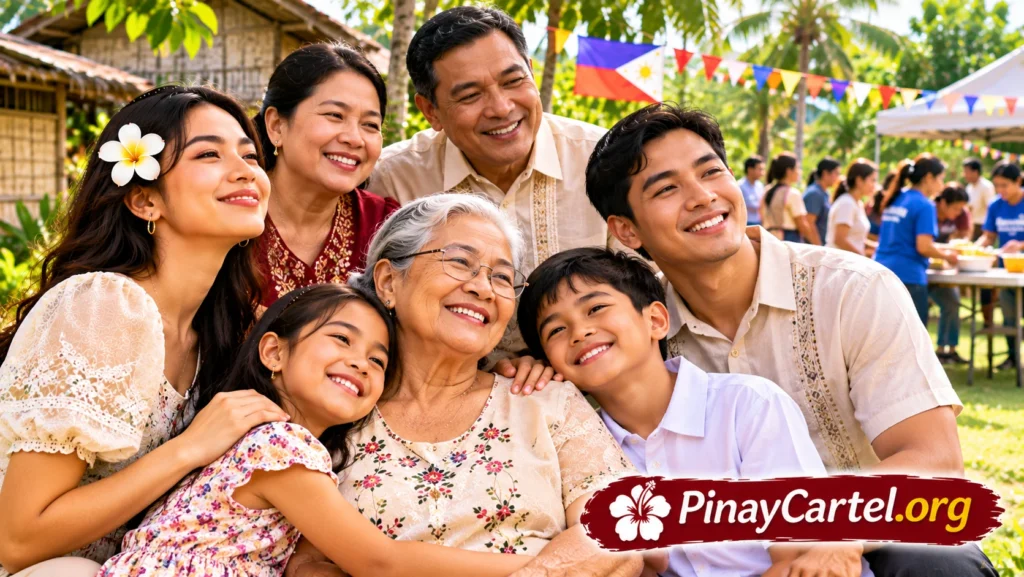
Family relationships hold an important place in Filipino society. Respect for elders, cooperation, responsibility, and strong family connections are commonly emphasized in many households.
The Filipino concept of utang na loob, which describes a sense of gratitude and reciprocal responsibility, also influences relationships and social interactions.
Community Support and Connections
Community participation is an important aspect of Filipino culture. Local organizations, cultural associations, and community groups help people maintain relationships, celebrate traditions, and support one another.
These connections are particularly valuable for Filipino families living outside their home country.
Education and Professional Development
Academic Achievements and Opportunities
Education is widely valued in Filipino households. Students pursue opportunities in different academic fields, including science, technology, healthcare, business, and the humanities.
Filipino students studying abroad also contribute to international academic and cultural exchange.
Professional Careers and Contributions
Filipino professionals work across numerous industries, including healthcare, education, technology, business, sports, and entertainment.
Their skills and professional contributions help strengthen communities and create opportunities for future generations.
Common Stereotypes and Misunderstandings
Online discussions sometimes contain stereotypes about Filipino women and Filipino communities. These generalizations can overlook individual experiences, professional achievements, cultural differences, and personal identities.
Understanding the background of a term such as Pinay Cartel requires separating online assumptions from verifiable information.
Gender expectations remain an important topic in discussions about Filipino society. Women continue to participate in education, leadership, entrepreneurship, politics, and professional industries.
Greater access to opportunities and equal treatment helps support social progress and individual development.
Women’s Empowerment and Advocacy
Organizations Supporting Filipino Women
Various organizations work to support women’s education, employment, leadership, and legal rights. Their initiatives include professional training, community programs, educational opportunities, and public awareness campaigns.
These efforts help create opportunities for women across different social and professional backgrounds.
Notable Filipino Women and Their Achievements
Several Filipino women have gained international recognition for their contributions.
Maria Ressa, a Nobel Peace Prize-winning journalist, is recognized for her work in journalism and press freedom. Lea Salonga is internationally known for her achievements in music and theatre.
Their careers demonstrate the diverse contributions of Filipino women to global society.
Pinay Cartel in Arts, Entertainment, and Digital Media
Filipino Representation in Film and Television
Filipino stories and experiences have become increasingly visible in international entertainment. Films, television programs, documentaries, and digital productions highlight different aspects of Filipino history, family life, and contemporary society.
These representations help international audiences understand Filipino culture beyond common stereotypes.
Digital Communities and Online Representation
Social media platforms allow Filipino creators, writers, artists, and communities to share their experiences with international audiences.
The phrase Pinay Cartel may also appear in digital discussions, but its online use should be understood through the specific source and context rather than treated as evidence of a formally recognized community.
Health, Fitness, and Well-Being
Common Health and Lifestyle Considerations
Healthy living involves balanced nutrition, regular physical activity, sufficient sleep, and appropriate healthcare. Cultural food preferences and everyday routines can influence lifestyle choices.
Access to reliable health information helps individuals make informed decisions about their well-being.
Mental Health Awareness
Mental health awareness is an important part of overall well-being. Family support, community connections, professional guidance, and access to mental health services can help individuals manage everyday challenges.
Reducing stigma and encouraging open conversations are important steps toward better mental health awareness.
Filipino Food and Culinary Traditions
Popular Traditional Filipino Dishes
Filipino cuisine is recognized for its diverse ingredients, distinctive flavours, and regional cooking traditions.
Popular dishes include:
- Adobo: A traditional dish commonly prepared with meat, vinegar, soy sauce, garlic, and seasonings.
- Sinigang: A sour soup traditionally prepared with vegetables and different protein options.
- Pancit: A popular noodle dish served during family gatherings and celebrations.
- Lumpia: Filipino spring rolls prepared with different fillings.
- Lechon: A traditional roasted pork dish commonly served during special occasions.
Culinary Fusion and Modern Food Trends
Filipino cuisine continues to evolve through international influences and modern cooking techniques. Restaurants and home cooks experiment with traditional ingredients while introducing new flavours and presentation styles.
This combination of traditional and contemporary cooking helps Filipino food reach wider audiences.
Fashion and Personal Style
Traditional Filipino Clothing and Modern Trends
Filipino clothing reflects the country’s history, regional traditions, and modern fashion influences. Traditional garments such as the Baro’t Saya and Barong Tagalog remain important symbols of cultural heritage.
Contemporary designers combine traditional fabrics, embroidery, and patterns with modern clothing styles.
Filipino Influence on Global Fashion
Filipino designers, models, and creative professionals contribute to the international fashion industry. Their work introduces different cultural perspectives and design influences to global audiences.
Travel and Filipino Cultural Destinations
Popular Destinations and Historical Attractions
The Philippines offers a wide range of cultural and natural attractions. Some notable destinations include:
- Banaue Rice Terraces: Famous for their historic agricultural landscapes.
- Vigan: Known for its preserved Spanish colonial architecture.
- Cebu: Recognized for its historical landmarks and cultural celebrations.
- Boracay: Popular for its beaches and tourism activities.
- Palawan: Known for its natural landscapes and coastal attractions.
Tourism and Local Communities
Tourism supports local businesses, employment, and cultural exchange. However, responsible tourism is important for protecting natural resources, preserving historical locations, and respecting local traditions.
The Future of Pinay Cartel and Its Online Presence
Emerging Digital Trends
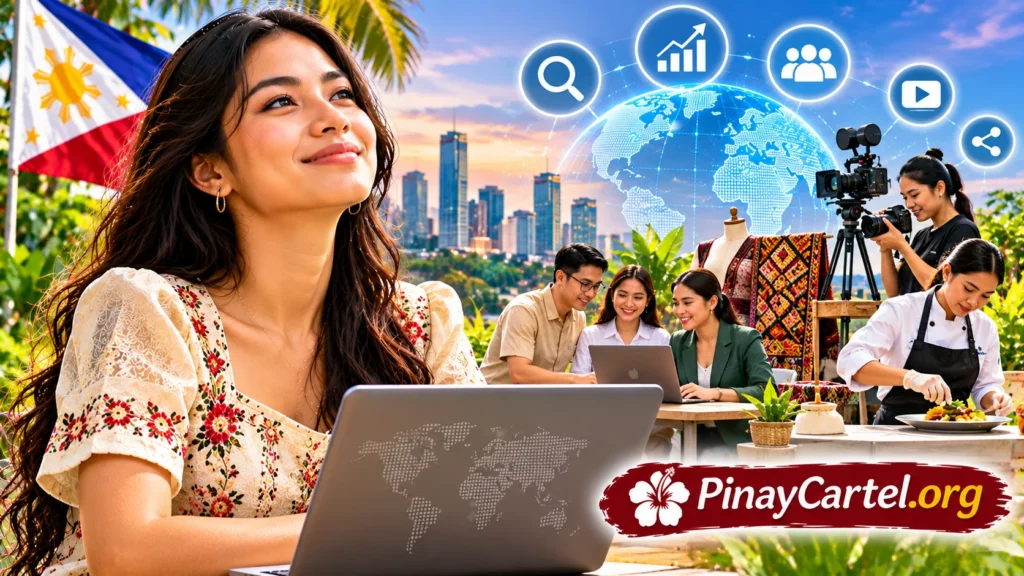
Search engines and social media platforms continue to influence how people discover unfamiliar terms and cultural topics. Expressions such as Pinay Cartel can gain attention through online discussions, content publishing, and changing search behaviour.
Understanding these expressions requires reliable information, appropriate context, and careful interpretation.
Future Opportunities for Filipino Communities
Filipino communities have opportunities to expand their influence through education, entrepreneurship, technology, creative industries, and international collaboration.
As digital communication continues to develop, Filipino creators and organizations can share their culture and experiences with a wider global audience.
Frequently Asked Questions About Pinay Cartel
What does Pinay Cartel mean?
Pinay Cartel combines the word “Pinay,” an informal term for a Filipino woman, with “Cartel,” which generally refers to an organized group or association. Its specific meaning depends on the context in which the phrase is used
What does the word Pinay mean?
Pinay is an informal term used to refer to a Filipino woman. It is commonly used in conversations about Filipino identity, culture, and community.
Is Pinay Cartel connected to Filipino culture?
The word Pinay has a direct connection to Filipino identity. However, the complete phrase Pinay Cartel should not automatically be considered a traditional Filipino cultural expression.
What is the historical background of Filipino communities?
Filipino communities have developed through migration, trade, education, employment, and international cultural exchange. These communities maintain connections with their heritage while adapting to different societies.
What are some important Filipino traditions?
Important Filipino traditions include family gatherings, religious celebrations, regional festivals, traditional dances, and community events such as Sinulog and Ati-Atihan.
Who are some internationally recognized Filipino women?
Maria Ressa and Lea Salonga are two internationally recognized Filipino women. They have achieved distinction in journalism, music, and entertainment.
Where can readers learn more about Filipino culture?
Readers can explore Filipino history, traditional festivals, regional cuisine, literature, historical destinations, and educational resources to develop a better understanding of the country’s cultural heritage.